

VIET SERICULTURE SILK - FARM – STRAWBERRY FARM, Silkworm RAISING
Vietnam’s sericulture industry is tending to develop again in recent years. On that basis, VIET SERICULTURE SILK pioneered in building farms with standardized mulberry material areas from land preparation to mulberry seedlings, planting, care and harvesting. Silkworm farms with environment, raising techniques, care and clean cocoon collection meet high quality standards. At the same time, VIET SERICULTURE SILK participates with localities to support and link with households on process instructions High-quality mulberry growing techniques to raise silkworms, aiming to sustainably develop the value chain between production, purchasing and processing of high value-added products from Mulberry Silk. Implementation steps:+ Planning the primeval area Standard materials for soil, mulberry trees and silkworms; + Support for consulting on farming techniques, application of scientific and technological advances in cultivating and caring for mulberry trees and silkworms to achieve good quality silkworm cocoons .+ Monitor and standardize raw material areas, farming techniques and care in a clean, green direction + Build a traceability system using IoT applications in 4.0 agriculture management
1. Mulberry tree material area
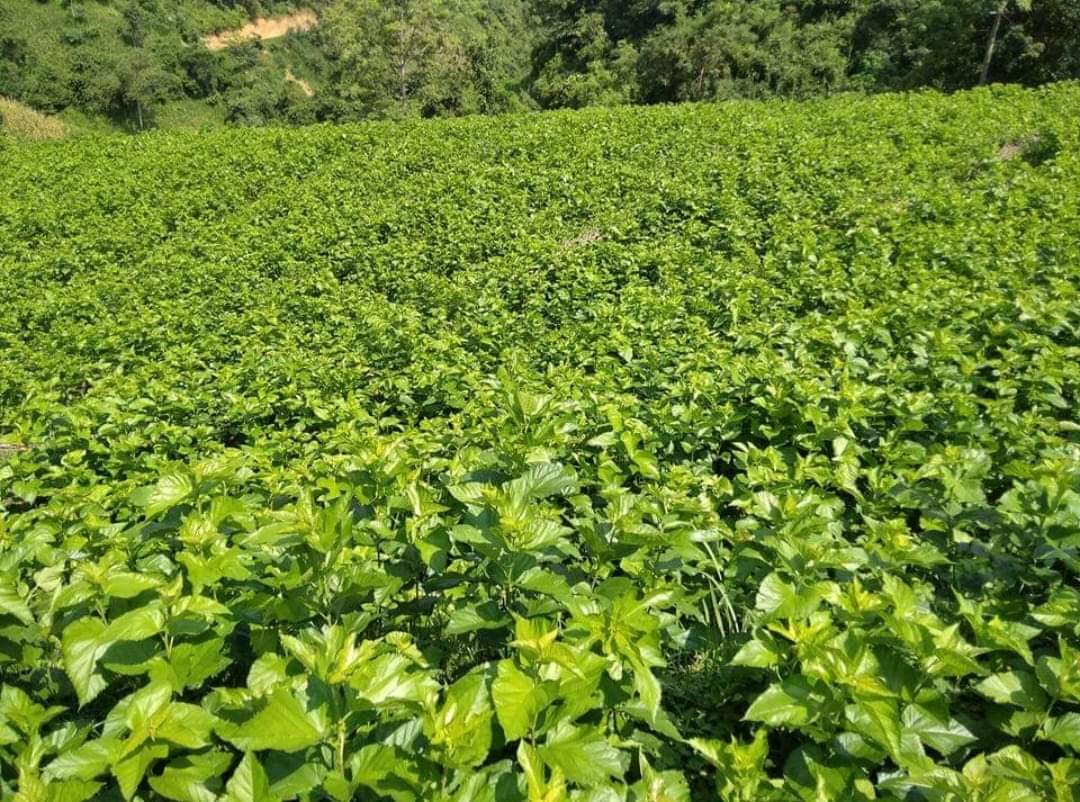
The mulberry tree, scientific name Morusalba L, is a perennial plant, so before planting, it is necessary to choose a mulberry variety suitable for the ecological conditions, soil, climate and intensive farming practices of each region to maximize its effectiveness. of varieties. Currently, there are many strawberry varieties being grown in production. However, mulberry varieties can be divided into four main groups: + Local strawberry varieties; + Triploid strawberry varieties grown by cuttings; + F1 hybrid strawberry varieties grown by seeds; + Imported strawberry varieties group. Strawberry leaves is the only food of silkworms, on the other hand, over 60% of the cost to produce silk is used for planting, managing, harvesting, and preserving mulberry leaves.
Alike
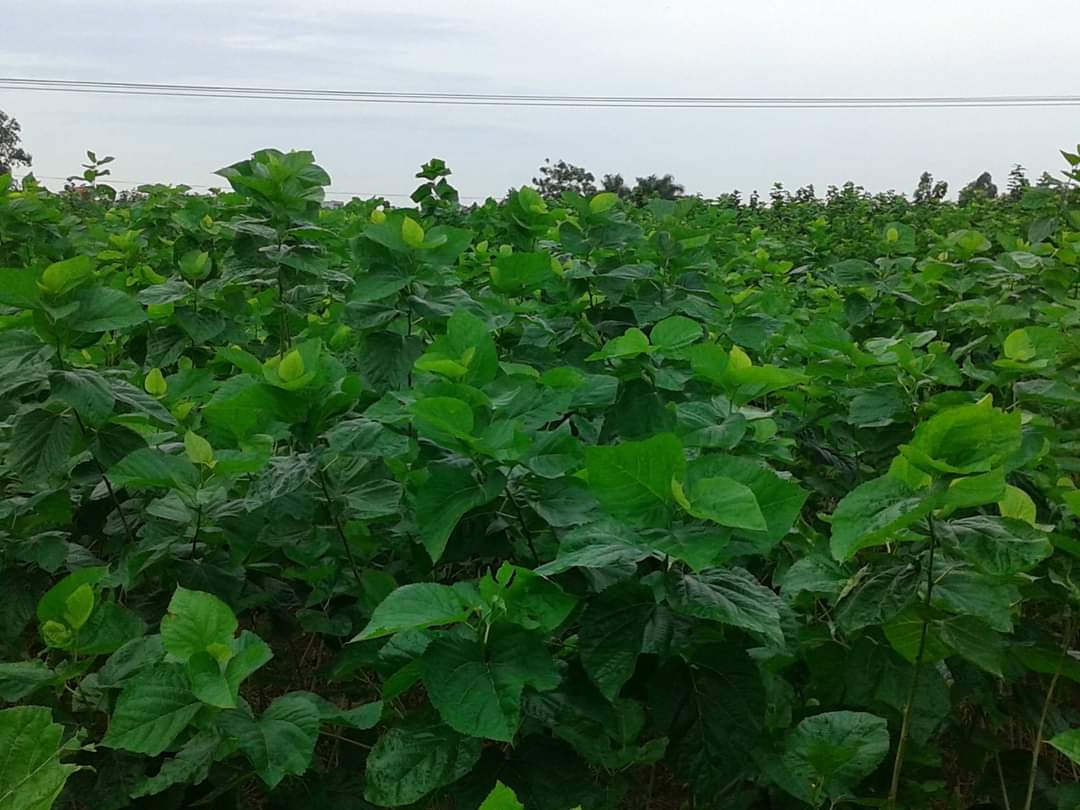
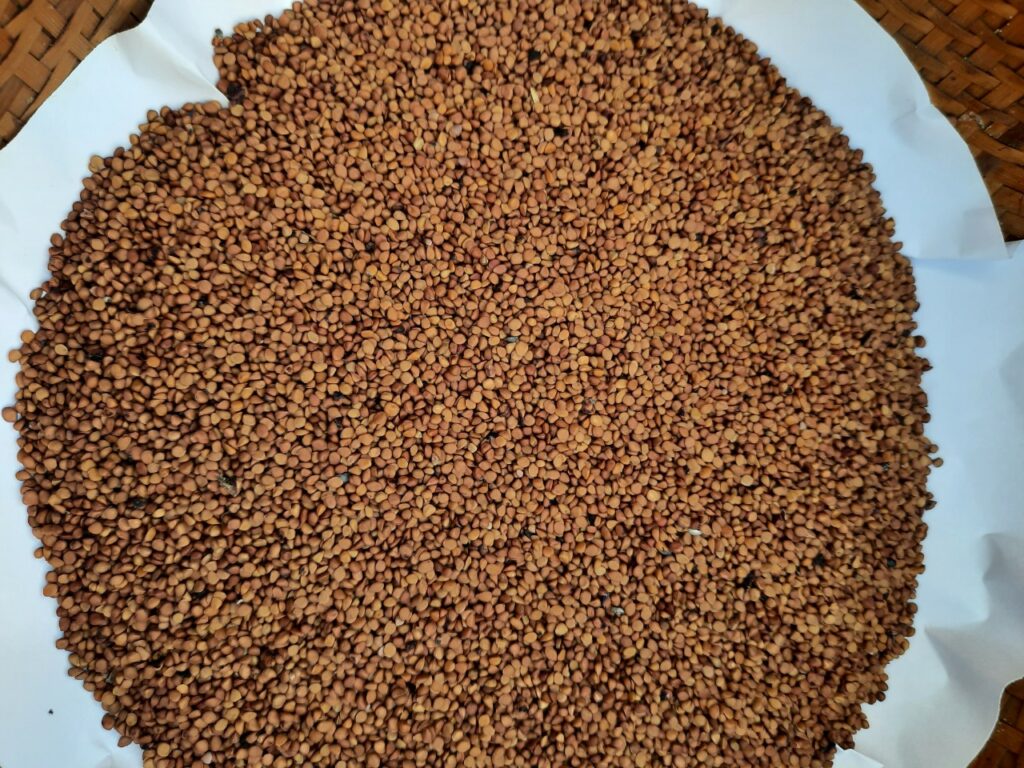
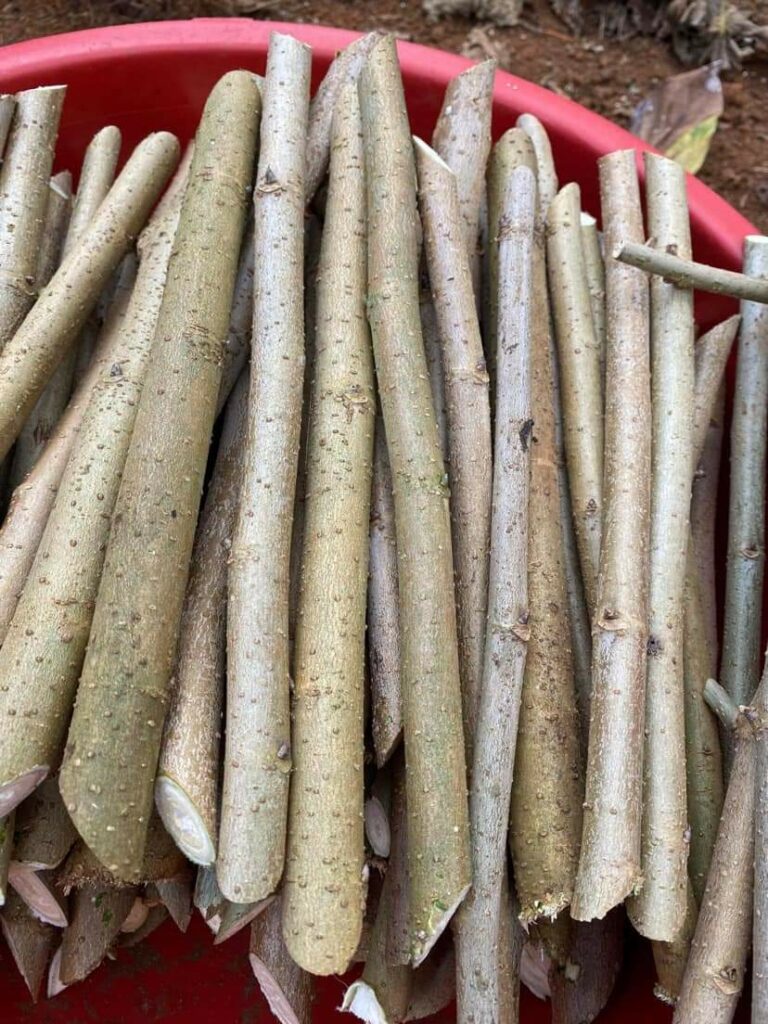
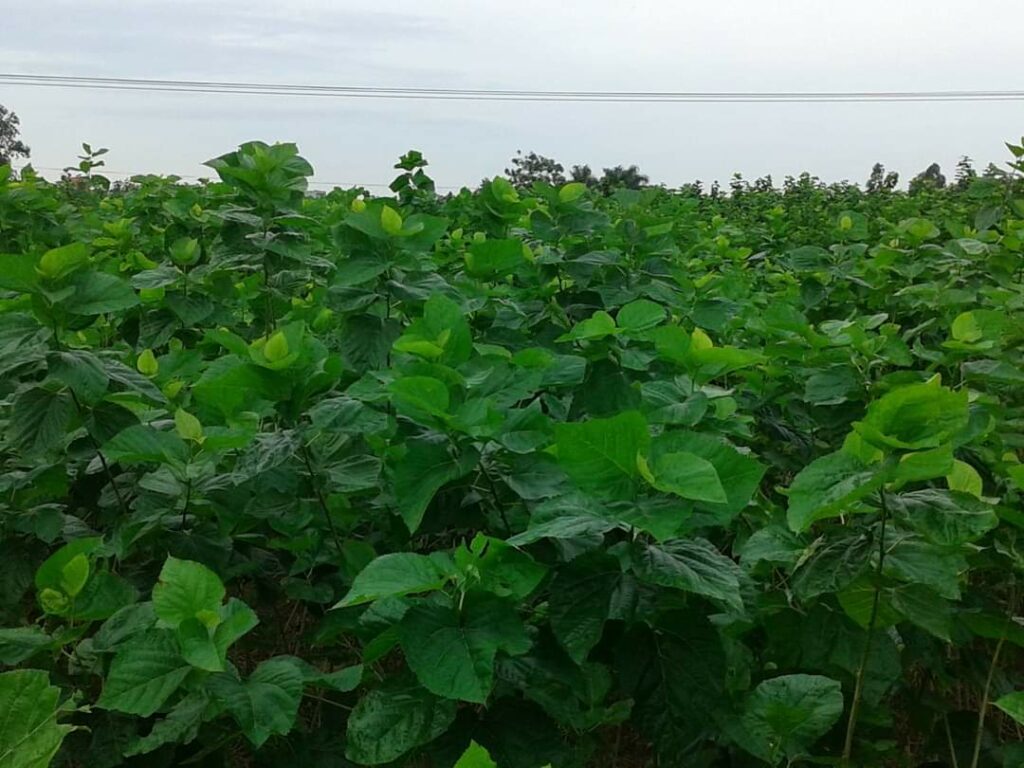
- Hybrid strawberry variety F1-VH15 grows well, has large thick leaves, and has high yield
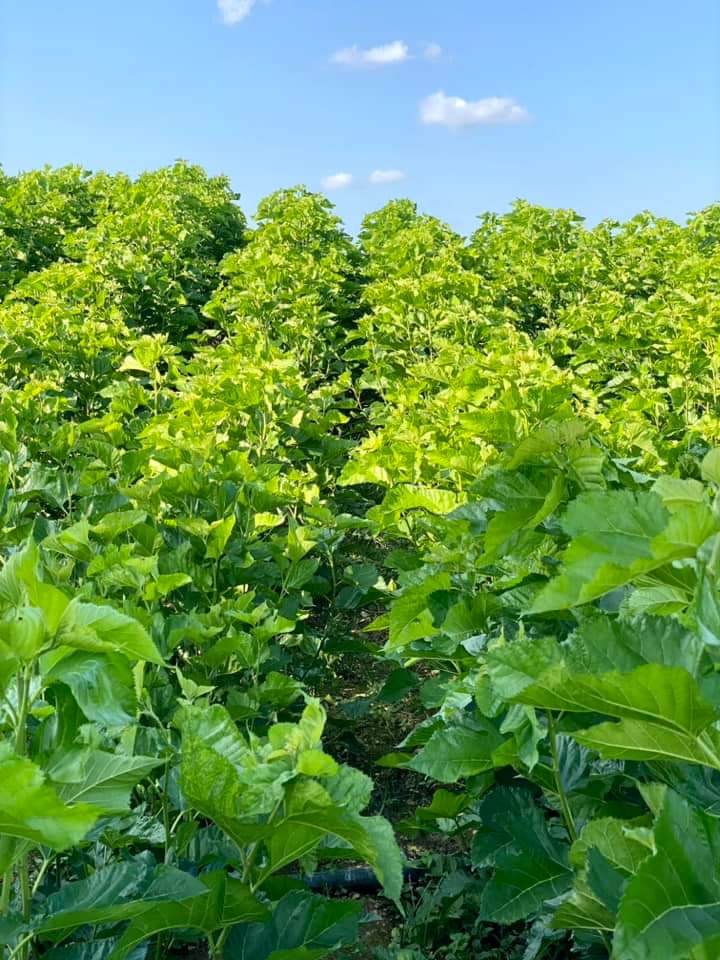
- Strawberry variety S7-CB has super branches and leaves, high yield
Techniques for planting and caring for mulberry gardens
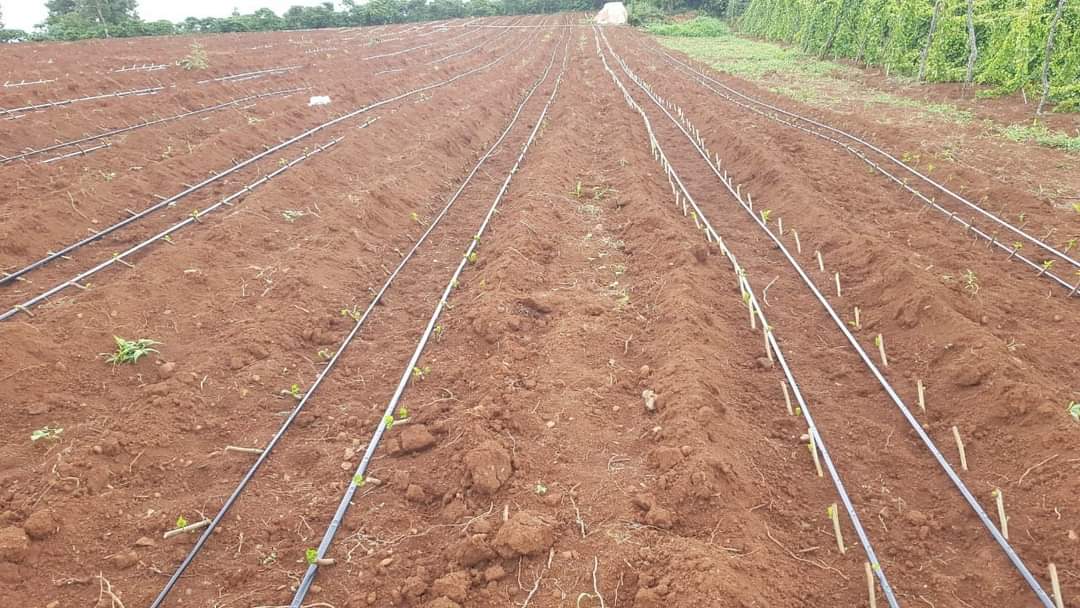
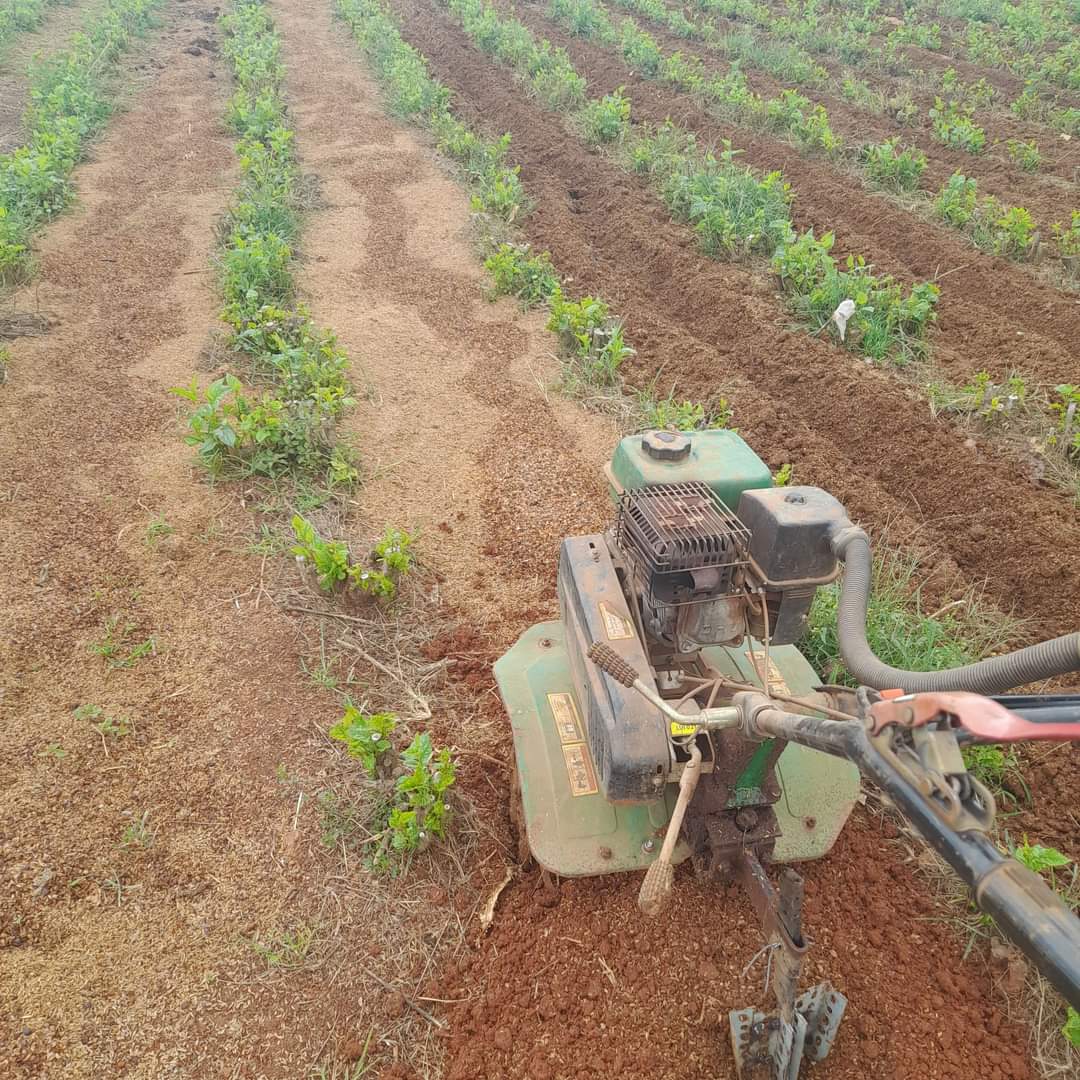
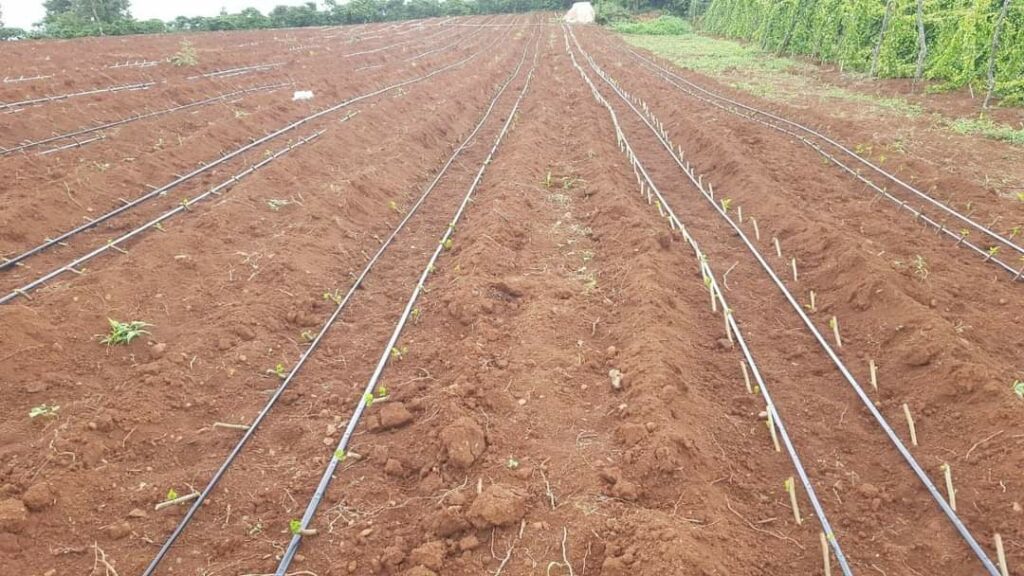
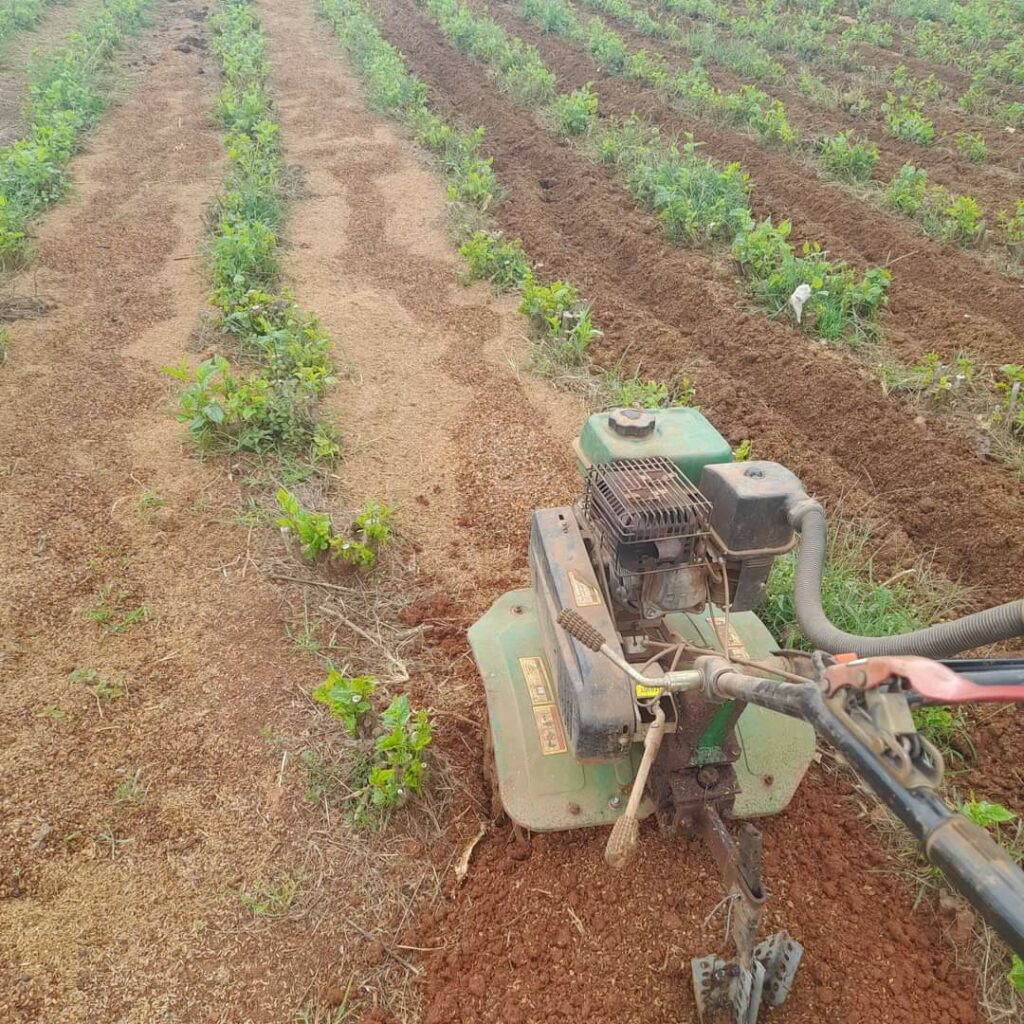
– Planting density: Depending on the type of land, farming method and investment conditions for intensive farming, determine the appropriate planting density, usually the planting density is 1.2-1.5m between rows, 0 plants between trees. ,2-0.3m, about 42,000 plants/ha – Strawberry garden design: Choose flat land, hilly areas with slopes less than 150 – Soil is plowed 35-40cm deep 25-30 days before planting strawberries – Fertilize first Planting: Depending on whether the soil is good or bad, decide the amount of fertilizer. – Technique for planting mulberry trees with seedlings: When placing the mulberry tree, do not let the roots come into direct contact with the fertilizer layer in the trench, keep the roots of the mulberry tree young. Straight, not curled, cover the root collar with soil, compact the soil around the root – Caring for newly planted strawberries: After planting, water and weed regularly to avoid colliding with the plant when weeding. After 2-3 months of planting, replanting should be done to ensure density. You can replant with cuttings or seedlings, preferably with seedlings. – Weeding: Depending on the conditions of each location, the base can be weeded 6 times. – Fertilize
|
Type of stool |
Quantity |
Amount of fertilizer (%) |
|||
|
1st time: after cutting |
2nd time: May |
3rd time: July |
4th time: August |
||
| Urea fertilizer |
750 |
25 |
25 |
25 |
25 |
| Pour melted |
900 |
80 |
50 |
||
| KCl |
250 |
50 |
50 |
||
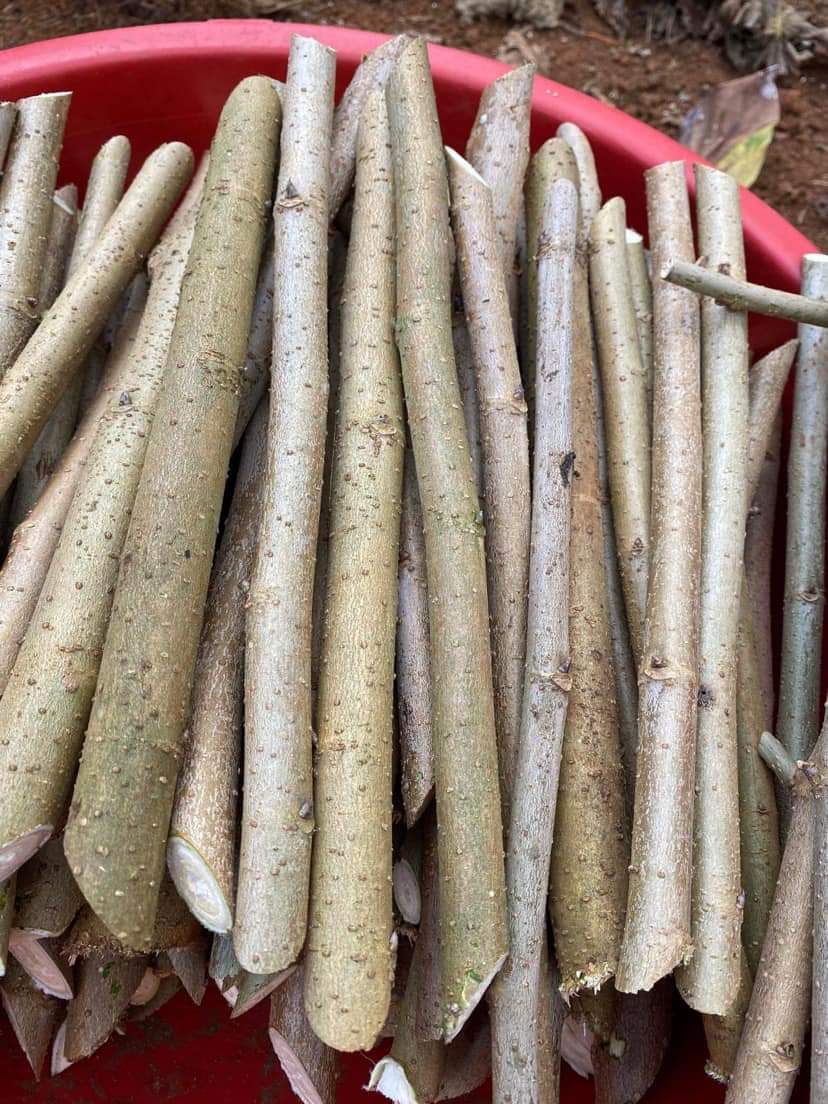
– Shaping the tree when picking leaves: After 4-6 months of planting, the leaves can be gradually harvested, but should not be harvested. Prune each root to have 2 -3 main stems, regularly prune level 2 branches – Cutting technique: Choose a cool day to cut, the best cutting tool is to use a chainsaw, avoid crushing the cut – Method of picking leaves : Choose leaves according to the silkworm’s requirements, with little impact on plant growth.Reference Document: PROCESS AND TECHNIQUE OF STRAWBERRY CULTIVATION
2- Silkworm farm for silk cocoons
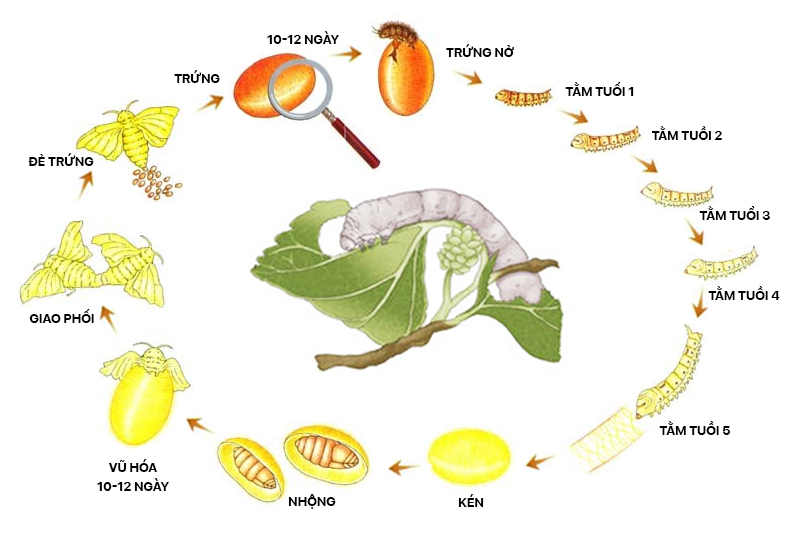
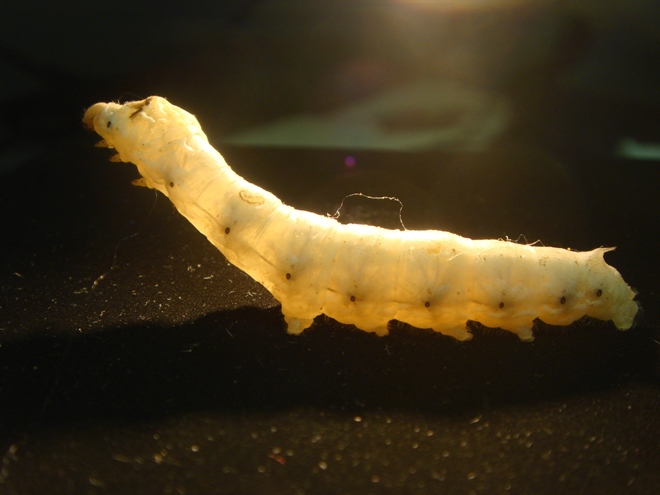

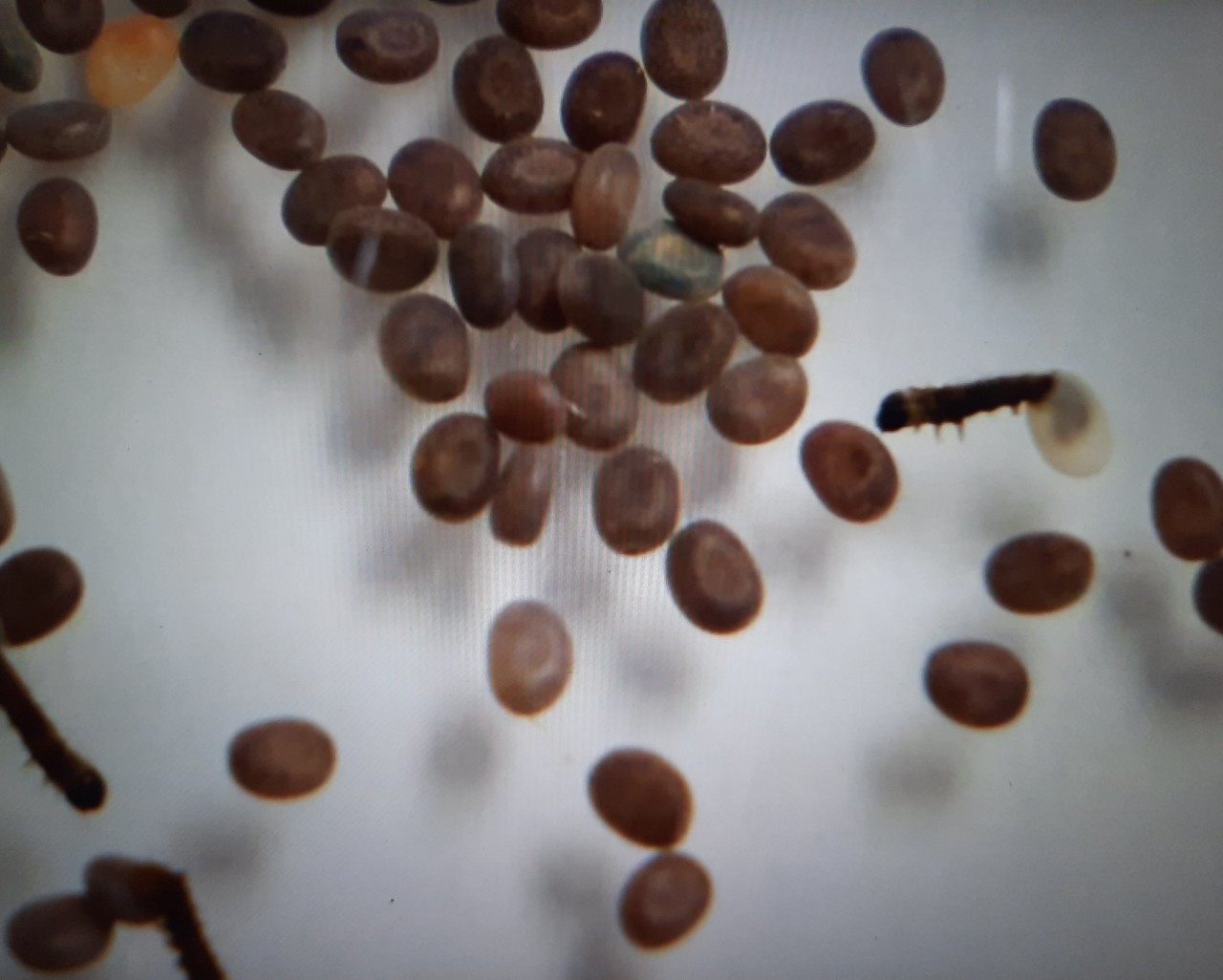
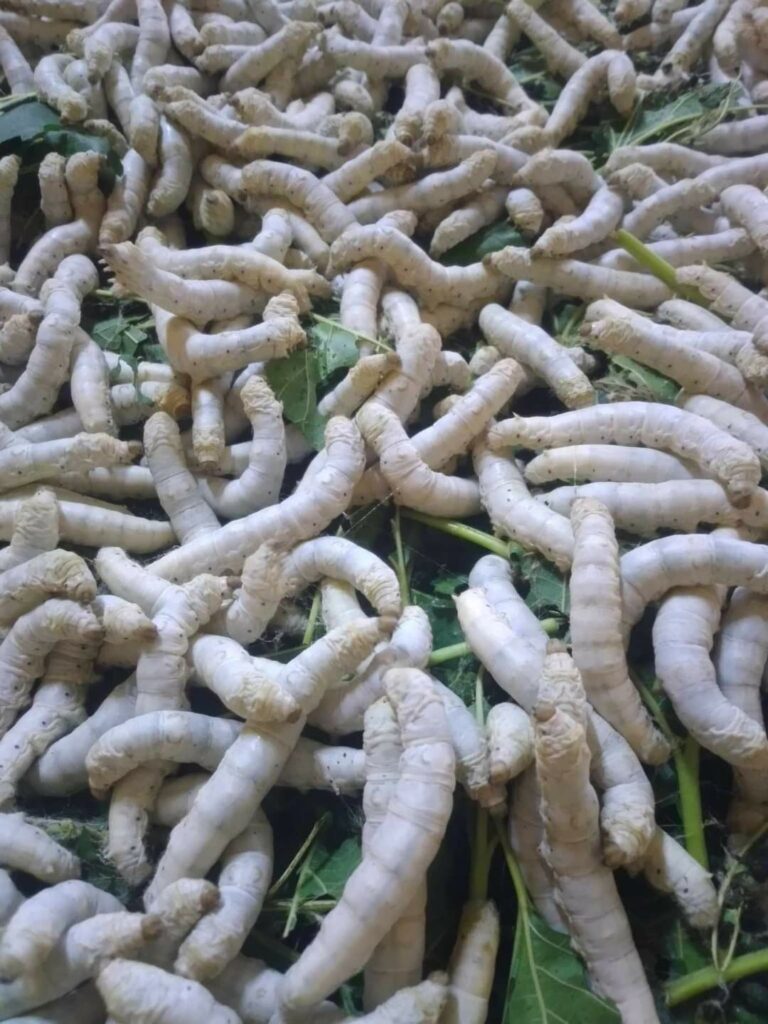
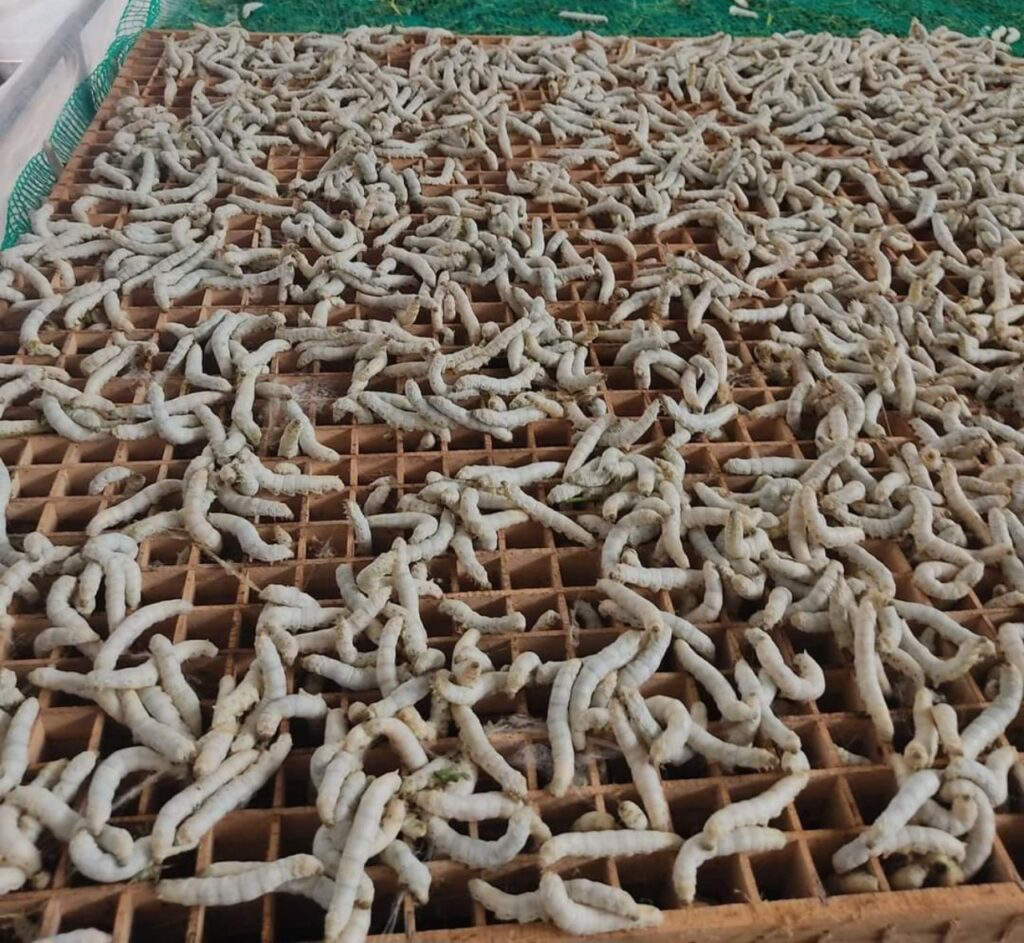
Silkworm is the larva of the domesticated silkworm butterfly whose scientific name is Bombyx mori, is a silk-producing insect with important economic value. Silkworms eat mulberry leaves and are completely dependent on humans and are not present in the wild.
Our country’s climate is hot and humid, but dual-system silkworms can be raised in all seasons of the year (from February to November)
Silkworm growth stages:
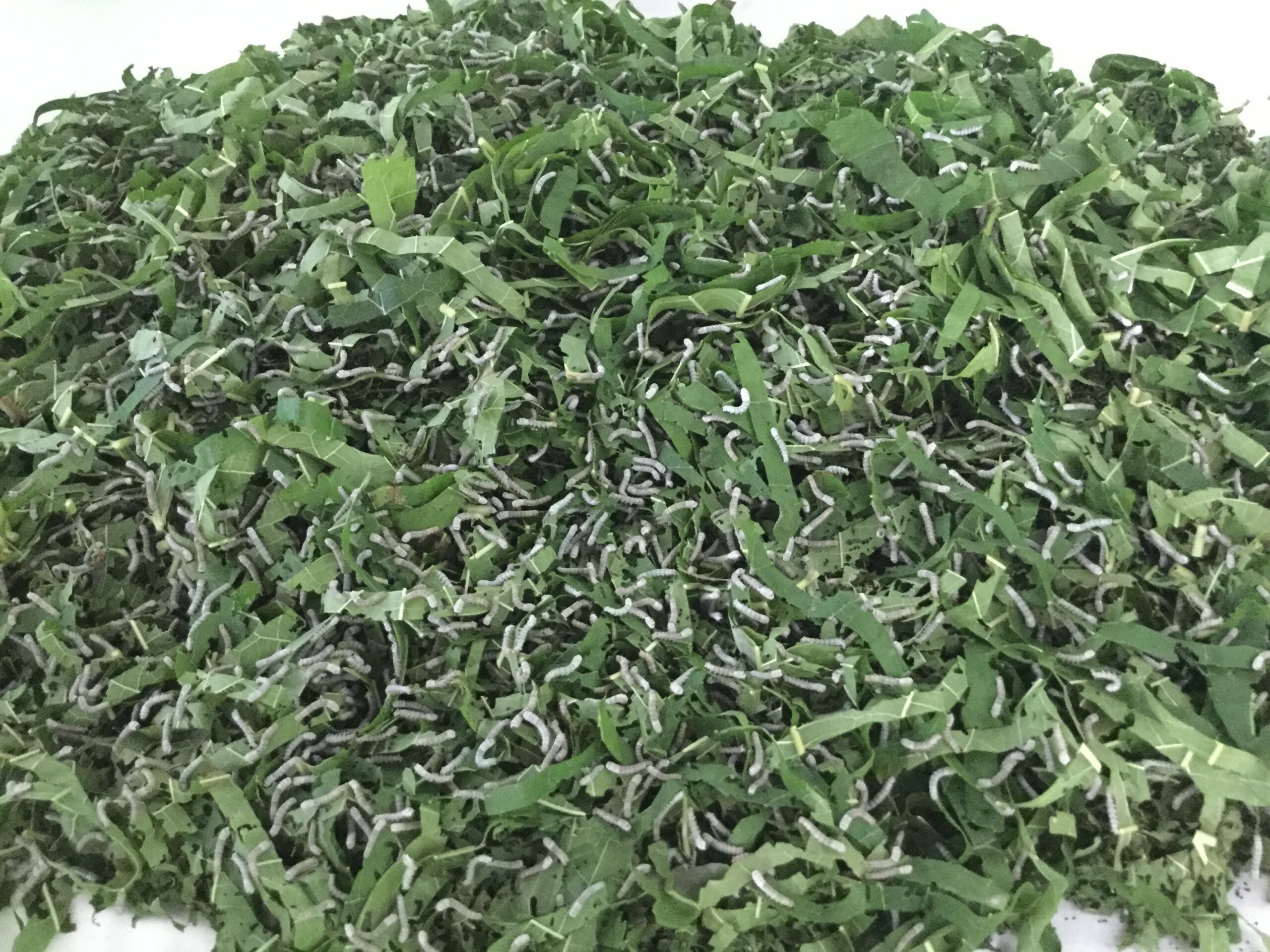
+ Age 1: Eat mulberry leaves on days 1 – 3 and sleep on day 4
+ Age 2: Eat mulberry leaves on days 5 – 6 and sleep on days 7 – 8
+ Age 3: Eat mulberry leaves on days 9 – 11 and sleep on days 12
+ Age 4: Eat mulberry leaves on the 13th – 16th day and sleep on the 17th – 18th day
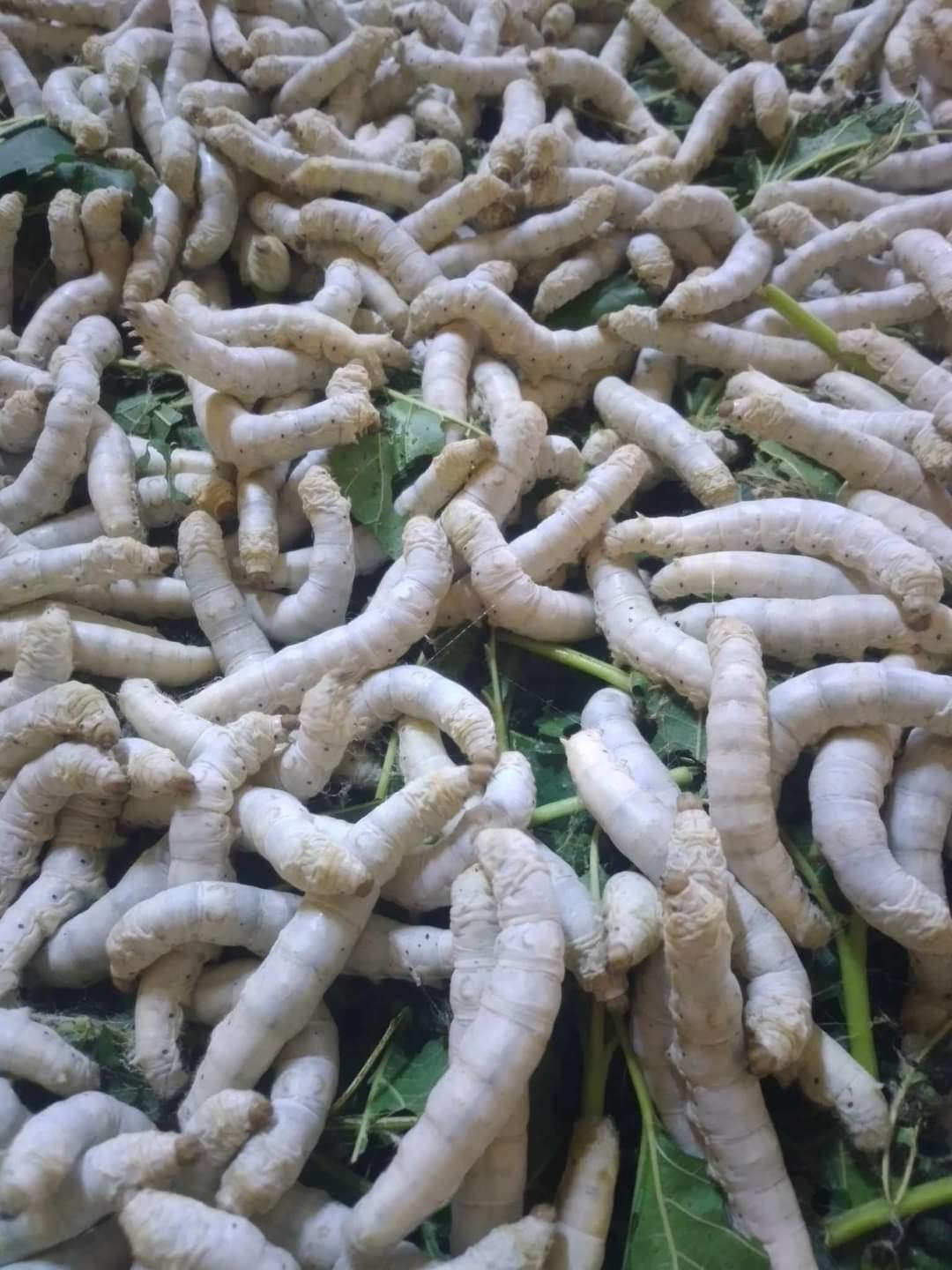
+ Age 3: Days 19–25 eat mulberry leaves and day 26 silkworms ripen and prepare to create cocoons.
In short, raising silkworms to produce cocoons is a profession that requires high technology and urgent seasons. Therefore, mastering technology is a key condition for success for farmers. If done well, silkworm farming will bring in higher income than other crops
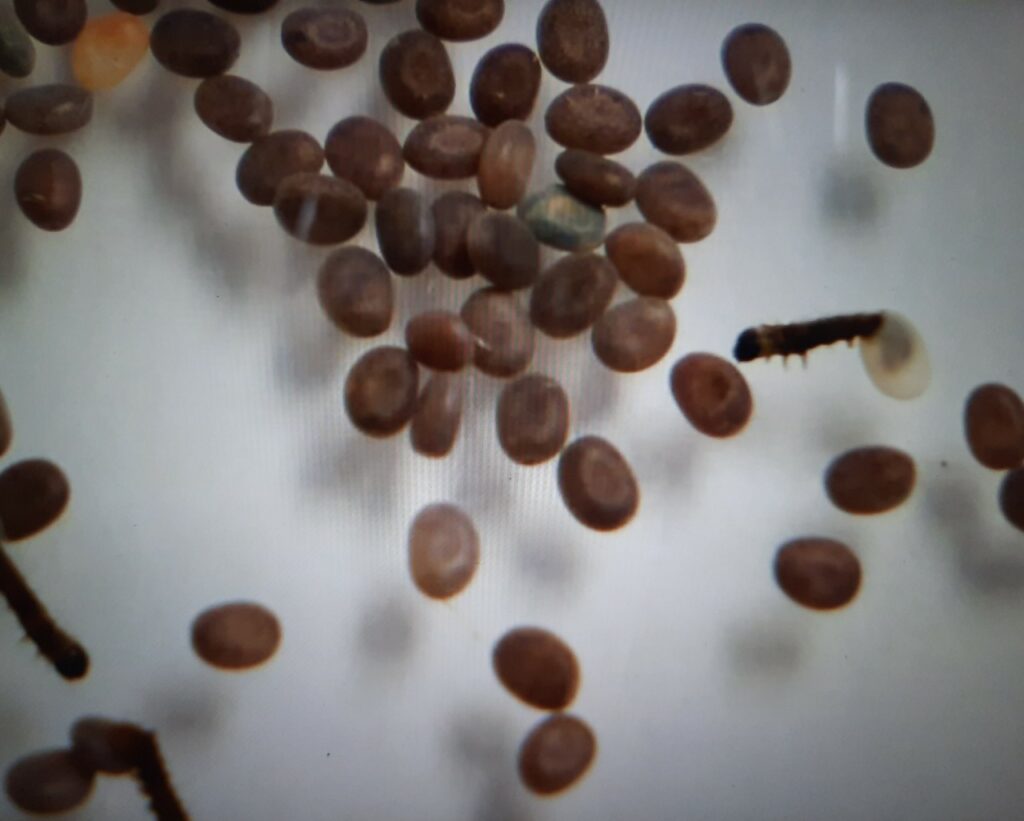
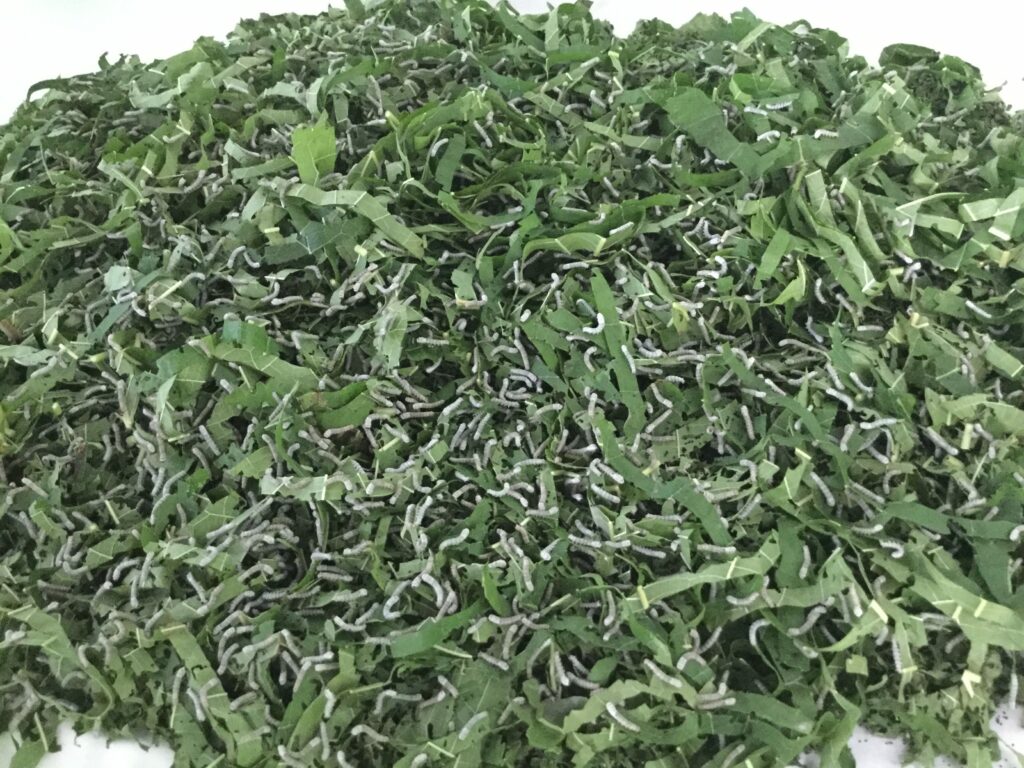
Techniques for raising and caring for silkworms
– Prepare the house and tools for raising silkworms: The silkworm rearing chamber needs to be airy and ventilated, avoiding direct light from reaching the chamber. Silkworms.
– Adult silkworms eat more meals than young silkworms. You should spread mulberry leaves thinly so the silkworms eat more meals than spreading mulberry leaves thickly so the silkworms eat fewer meals. During the day, feed the silkworms 3-4 meals. At night, feed the silkworms 3 meals at 8 pm, 11 pm, and 5 am. On hot sunny days, feed silkworms less frequently than on normal weather days.
– Do not feed silkworms too young or wet mulberry leaves.
– Every day Change the manure once at 5 am after meals, combine with silkworm breeding, expand the silkworm farming area, do not let the density of silkworms be too thick
– Adult silkworms sleep longer than baby silkworms. The best temperature in the silkworm chamber is 250C, humidity 70 – 75%. If the humidity is low and it is difficult for silkworms to molt, the humidity of the silkworm chamber must be increased.
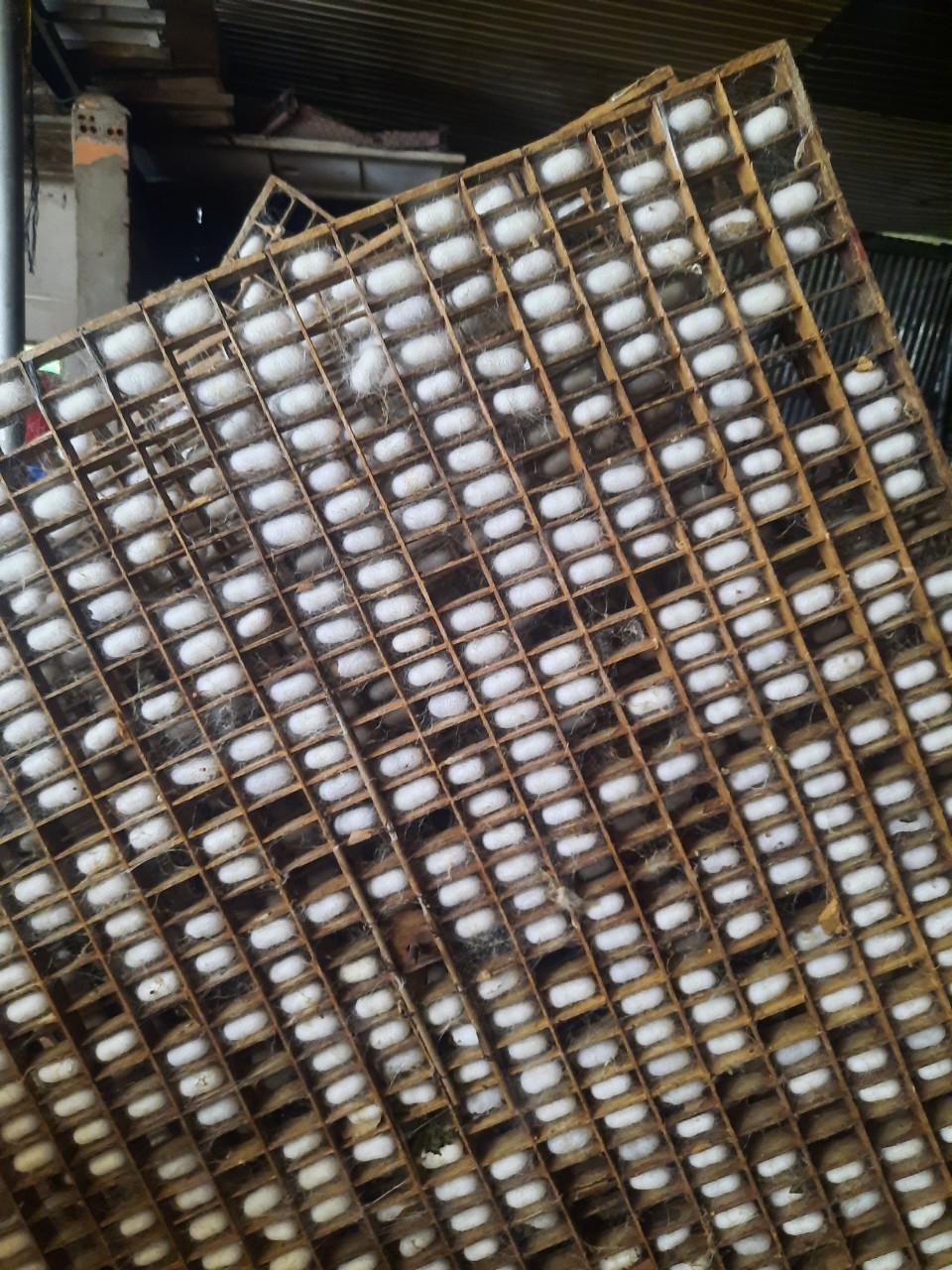
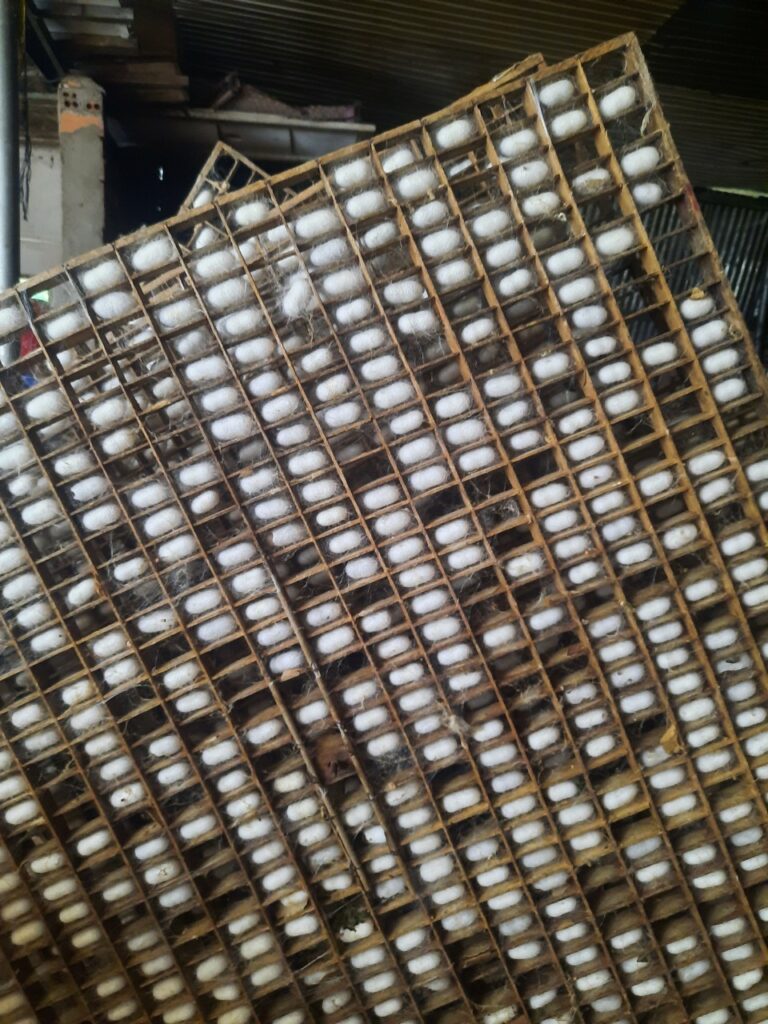
– 5-year-old silkworms eat mulberry leaves for 6-7 days and will be full of strength and ripe. The silkworm stops eating mulberries, its body is clear, its head is held high looking for a place to make a cocoon, it needs to be caught and placed in a nest in time.
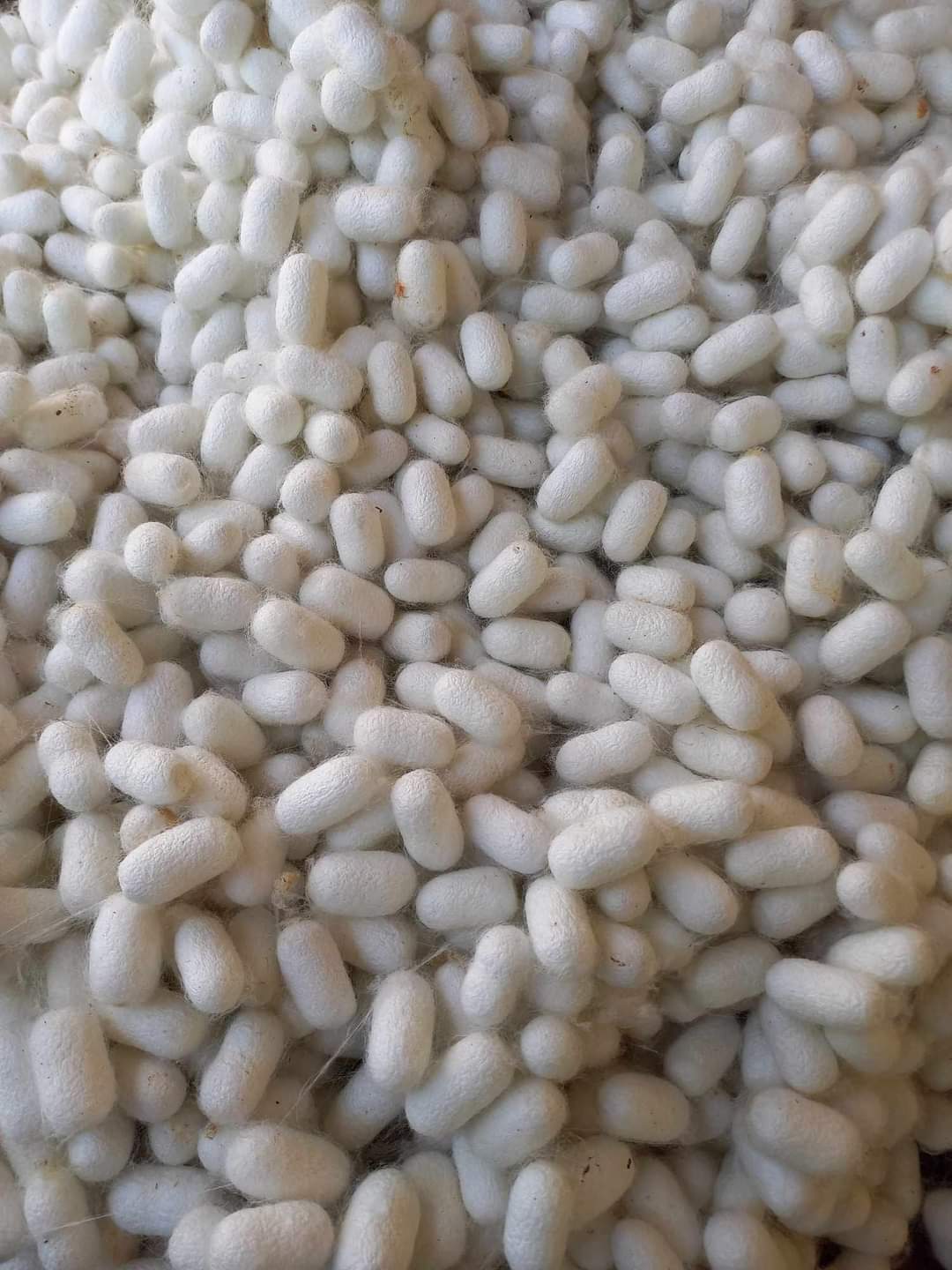
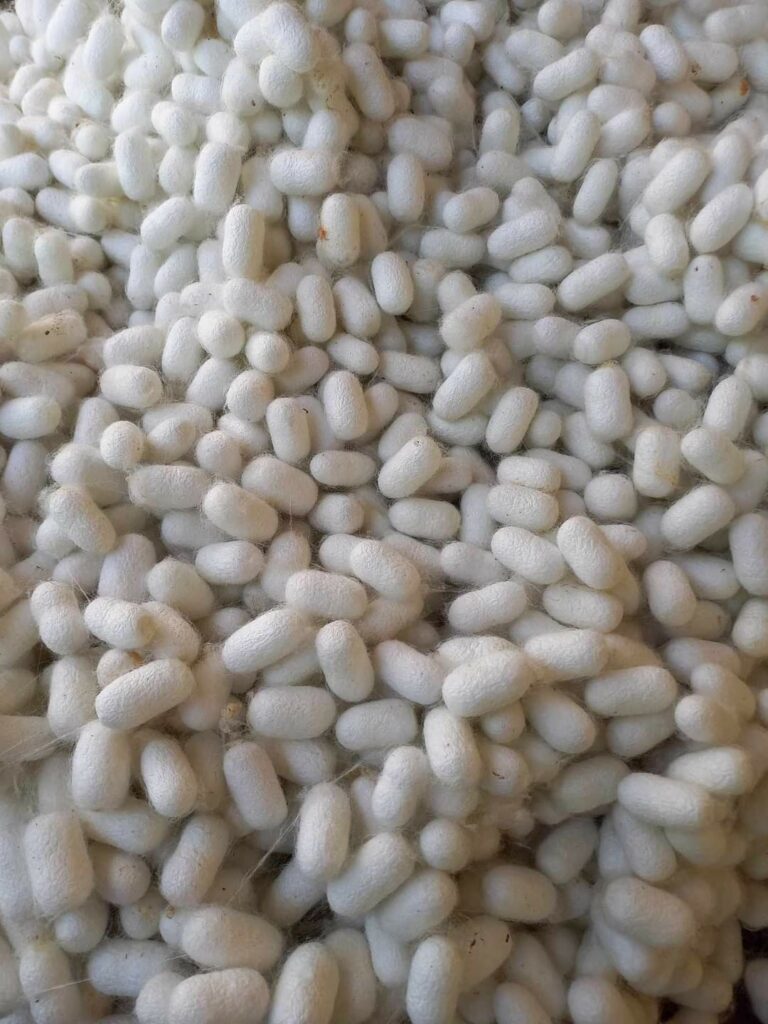
– After 3 days of hiding, the silkworm releases all its silk and pupates, it can be removed. cocoons for sale.